
By Tatenda Chitagu
Mimosa Mining Company, Zimbabwe’s oldest platinum mining operation domiciled in the Midlands province near Zvishavane town, does not only mine platinum.
The mine sits on the Great Dyke of Zimbabwe, a remarkable geological feature rich in Platinum Group of Metals (PGMs) that extends more than 550 kilometers across the centre of the country, varying from 3 to 11 kilometers in width.
Mimosa however only has about 5 percent share of the total resource (PGMs).
Other PGMs mines in Zimbabwe include Zimplats, the country’s largest platinum operation, as well as Unki mine.
Apart from platinum, Mimosa also mines rhodium, palladium, ruthenium, iridium, gold, silver, nickel, copper and cobalt.
Mimosa mine started off as a nickel mine as platinum had no value by then.
“Platinum accounts for only 20 percent of their total revenue annually,” explained Mimosa General Manager Steve Ndiyamba
“Although we tend to focus on platinum, we mine ten metals to an extent where, currently because of the prevailing mineral prices, platinum contributes 20 percent of our total revenue. The other 80 percent comes from the other metals,” Ndiyamba said.
Annually, the Zvishavane based mine processes about 2,8 million tonnes of ore which produce about 124 000 ounces of PGMs.
Mimosa produces 45-50 kgs of gold per month.
At any given time, there is one month’s supply of mined ore awaiting processing to counter any eventualities that may stop activities like a previous fire incident that halted mining.
Ownership structure:
Mimosa is jointly held by Implats and Sibanye Stillwater.
Mimosa was acquired by Zimasco from Union Carbide in 1993. Zimasco piloted platinum mining in Zimbabwe by resuscitating the operation and steadily increasing production to 1,000 tonnes per day achieved in 1998. In July 2001, Implats acquired a 35% stake in Mimosa for a consideration of R246 million. This stake was increased to 50% with a further acquisition of 15% in August of the following year. Aquarius acquired a 50% stake in Mimosa during the same year. In 2016 Sibanye Stillwater bought Aquarius, making them Implats’ partner in this joint venture.
The mine holds contiguous mining rights over 6 591 hectares. The operation comprises a shallow underground mine, accessed by a decline shaft, and a concentrator.
Mine’s Lifespan:
Mimosa has a twenty-two year lifespan, according to Ndiyamba.
“Currently we are mining at an area called South Hill where we started mining when the mine was established. South Hill has a ten year lifespan.
“There is another area with PGM deposits called North Hill which is yet to be mined to come as a replacement when South Hill deposits are depleted. We drilled it to measure the amount of minerals available and we estimate they can last for twelve years, to take our lifespan to 22 years,” Ndiyamba said.
Explorations at another area called Far South Hill are yet to be done.
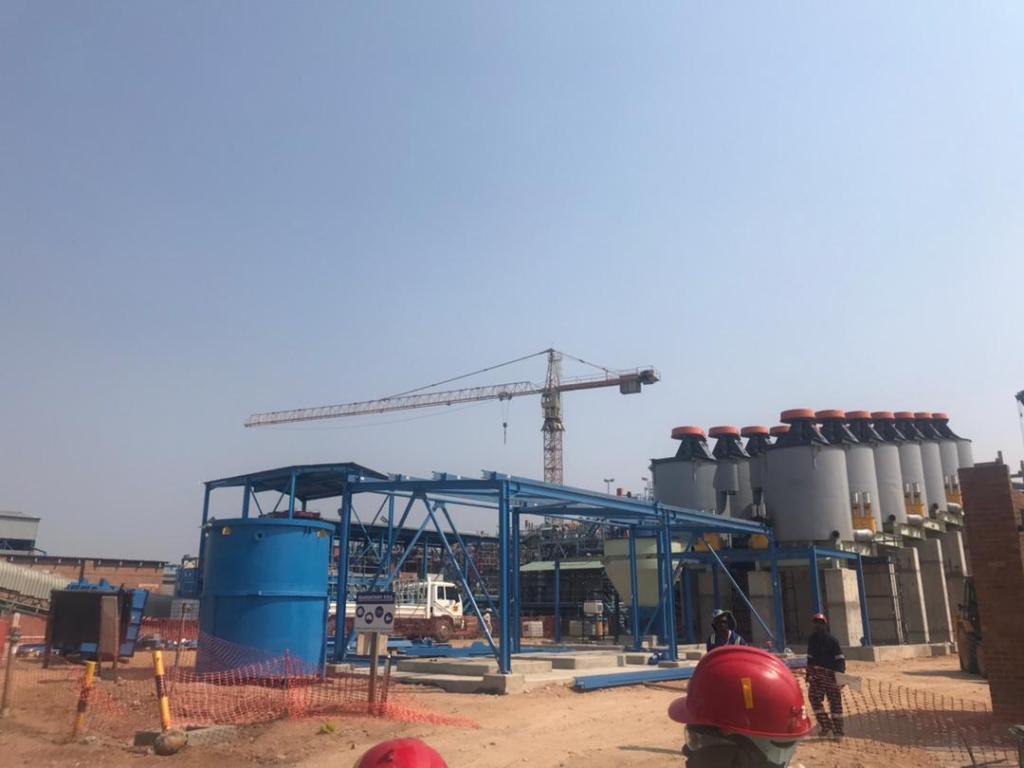
The mining process itself:
There are five stages in processing of PGMs.
The first stage involves mining underground to bring out the ore.
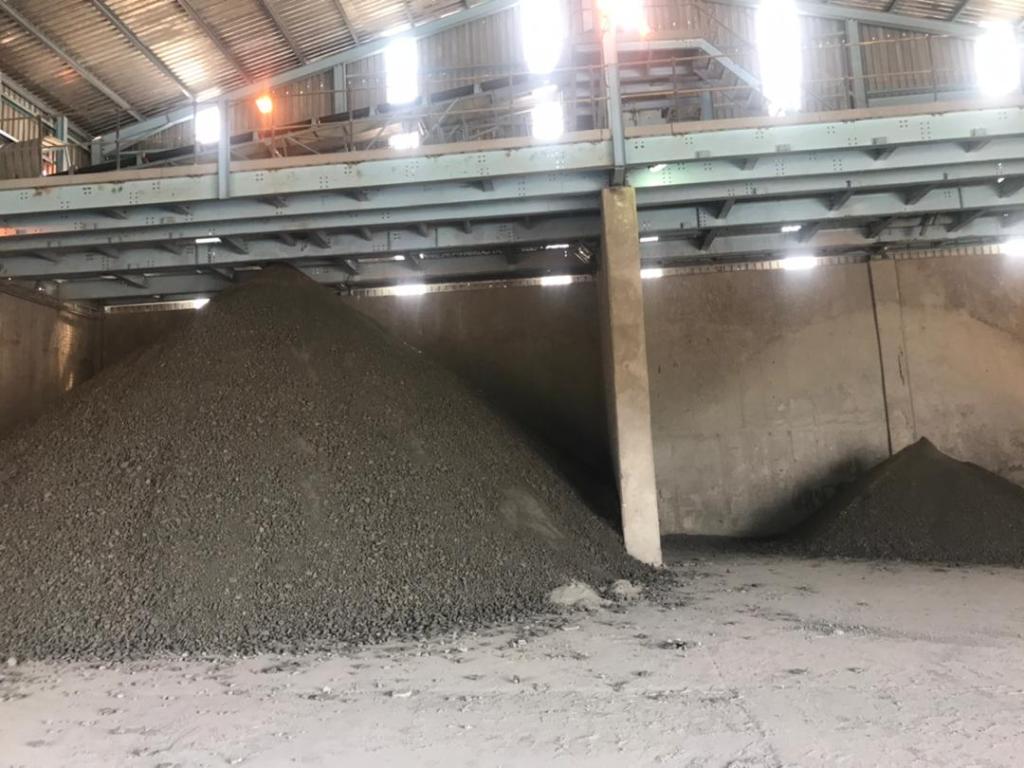
The second stage is the concentrating stage where the mined rocks are crashed and milled, do flotation in order to produce a concentrate which represents three percent of whatever goes through the plant. The balance is rubbish and it goes to the dump.
The concentrate will have all the ten metals together as a cake.
The third stage is smelting where that concentrate cake is smelted and the ten metals are yet to be separated. The cake gets further cleaned to remove the remaining rubbish. Still, the ten PGMs will be intact.
The fourth stage entails recovery of base metals (copper, cobalt and nickel) at a Base Metal Recovery Plant. The remaining seven metals are still intact, while the three base metals are further separated for each to stand on its own.
The fifth and final stage is when the seven remaining are separated at a Precious Metal Recovery Plant and each stands on its own.
The concentrate is then exported to South Africa for beneficiation as there is no smelting processor in Zimbabwe.
Minerals accountability:
Every metal is fully accounted for, according to Ndiyamba.
“We have a Minerals Marketing Corporation in Zimbabwe (MMCZ) officer here who monitors our processes, and makes sure what we are declaring is the correct quantity. We measure all the metals we sell. The MMCZ officer is a qualified metallurgist and monitors all other minerals except gold.
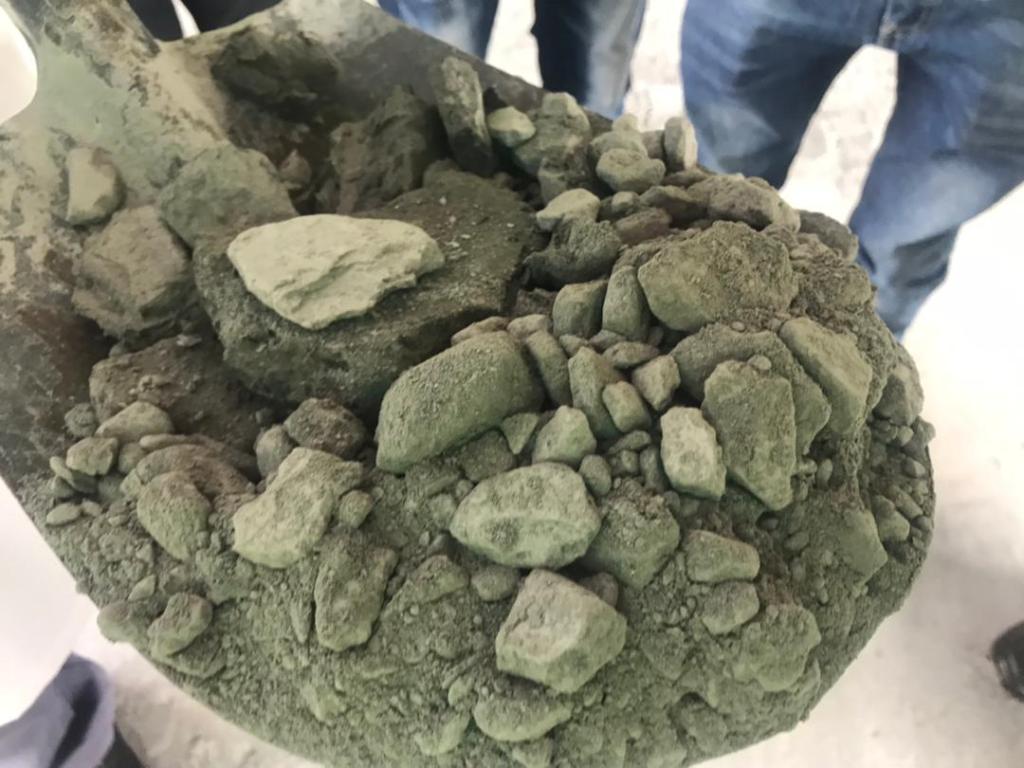
“We take samples and analyse the samples before they leave for South Africa. When the metals arrive there, they also take samples from half of our delivery and analyze them and send them back to us and we compare numbers. There are very robust checks and balances and systems to ensure what we send out is fully accounted for. If we do not agree on the quantity, we take the samples to an umpire which is a third party/an independent lab for verification. But such disputes rarely occur,” Ndiyamba added.
Beneficiation
Mimosa says it buys into the idea of mineral beneficiation and at one time planned to set up a smelting plant, but because of the short mine lifespan, the project would not have given them return for the investment.
“Around 2016-17, we produced a bankable feasibility study report that looked at setting up a smelter plant in Zimbabwe for beneficiation of our minerals. The project cost ranged from US$80 to US$100 million.
Given that our share of the minerals is the smallest (only 5 percent of the dyke) and that we are the oldest mine, and also taking into consideration our lifespan, we realised that the time will not be enough to recover that capital investment. However, we took a position that if there is an in-country smelting facilities, we will send our concentrates for in-country processing,” added Ndiyamba.
Capital Projects:
Mimosa spends about US$45 million per year on capital projects (stay-in business capital that keeps the mine running), according to Ndiyamba.
Currently, the mine is working on three key projects designed to improve efficiency and sustain operations.
These include a plant optimisation project to improve efficiency so that the company recovers more from what sails through the minerals recovery plants, which are old. The project will cost US$38 million and should be commissioned end of this year, according to Ndiyamba.
“Over the years, because of growth at the plant, it is no longer efficient and we were not recovering as much as we can from the ore. This is not an expansion but improvement on efficiency on the same plant which we intend to commission at the end of year. We will be able to generate more revenue than what we are doing. We are looking at a six percent increase from our current production. We are now at a stage where we did not recover much from the ore,” he said.
The second project is the construction of a new tailing facility which is being undertaken at a cost of US$65 million. The current tailing dam-which stores waste from the mine-is nearing the end of its lifespan.
The third one is the new shaft to extend its lifespan to 22 years. It will cost around US$100 million.
Workforce:
The mining operation has on average of 3900 employees on site at any given time. The number may increase depending with the projects being undertaken like those working on plant optimisation and tailing dam who leave after completion as they are not full time employees.
The country has a zero harm approach to its employees when it comes to safety and has a robust wellness program that includes supporting sporting activities.
Corporate Social Responsibility
The company has a huge CSR footprint in Zvishavane and beyond where it sunk significant amounts in various projects that cover issues of Water, Sanitation and Hygiene (WASH), health, education, cattle breeding and fattening, dip tanks, improving infrastructure, nutritional gardens, and nurseries, among others.
Mimosa also takes part in Local Enterprises Development where they assist business upstarts with capital and skills so that they can develop and stand on their own as fully fledged enterprises. A department has been set up to look into that matter.
Going Green:
The mining firm is currently conducting a feasibility study to establish a 38 megawatt (MW) solar plant to reduce carbon emissions. It is also into recycling and separates trash from source up to their dumpsite.


 ZimTracker
One response to “Some quick facts you need to know about Mimosa Mine operations”
A quick reading on the article on Mimosa is quite an insight. Thanx.
LikeLike