By Tatenda Chitagu
The three-year project, dubbed the Great Zimbabwe Development Project (GZDP), is coordinated by the United Nations Office for Project Services (UNOPS) and implemented by UNESCO, who are the custodians of World Heritage Sites, and the National Museums and Monuments of Zimbabwe (NMMZ). Other national partners include the Ministry of Environment, Tourism and Hospitality Industry (MOETHI), the Zimbabwe Tourism Authority (ZTA), the Great Zimbabwe Board, the Environmental Management Authority (EMA), Masvingo Rural District Council (RDC) and the National Parks and Wildlife Authority Management.
The Great Zimbabwe World Heritage Site, from which the country draws its name, represents one of the most spectacular architectural and cultural landscapes in Africa. Comprising of organic architecture, it was declared a UNESCO World Heritage Site in 1986. It is the largest dry-stone structure in sub-Saharan Africa.
Throughout the project, UNESCO will implement activities to enhance the conservation and management of the Great Zimbabwe National Monument World Heritage site in a sustainable manner; adequately interpret and present the site and its associated intangible cultural heritage elements; support the development of sustainable tourism practices and develop community-based cultural programming and tourism offers, thereby contributing to the achievement of the Sustainable Development Goals.
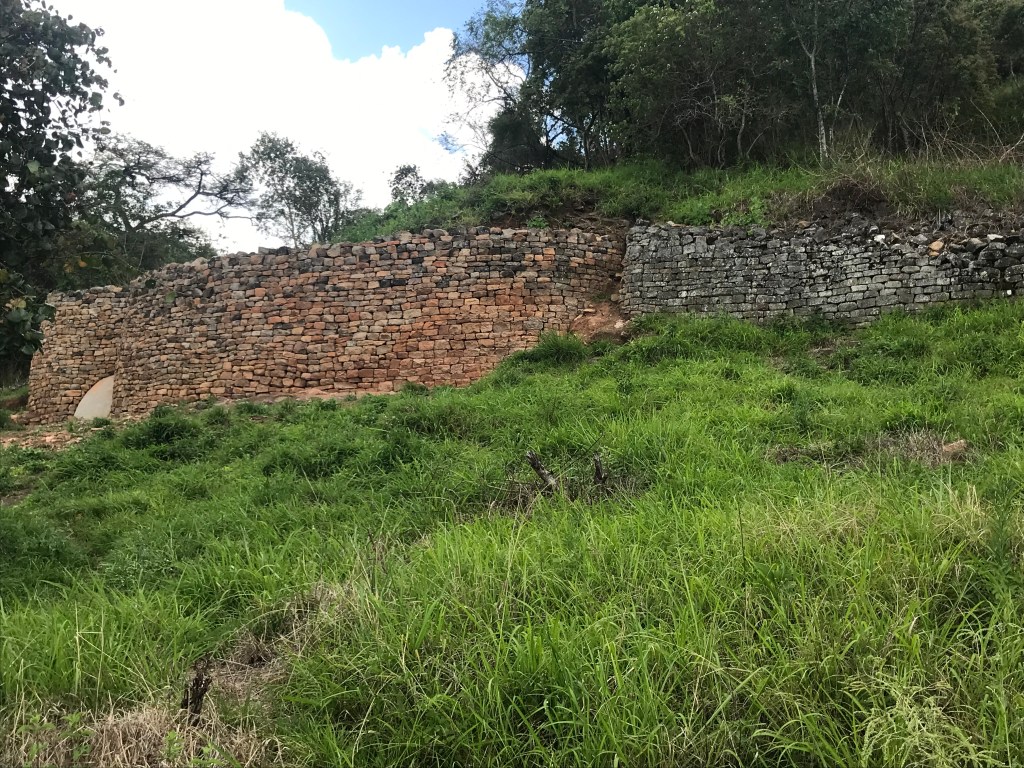
Some of the restored walls (left) through funding from the United States of America (Pic by Tatenda Chitagu/Zimtracker)
“UNESCO will endeavor to increase the National Museums and Monuments of Zimbabwe’s capacity to carry out conservation and documentation activities at the site, enhance sustainable tourism of the site and develop a rural land management plan to improve community-based management of the site and ensure compliance with World Heritage Protocols,” UNESCO said on its website.
As part of the project, which is currently in inception period, UNOPS will renovate and upgrade infrastructure at Great Zimbabwe with a new interpretive system and new visitor facilities. This will help strengthen the site’s cultural heritage as well as increase national capacity for heritage enhancement and related economic development activities.
Why rehabilitate the monuments now?
“Despite the significant cultural heritage and the pride that the Great Zimbabwe Monuments bring to Zimbabweans, there have been continuous challenges in terms of resources to maintain or upgrade this WHS. The low tourism attractiveness of this site has been exacerbated by a fragile and rapidly evolving landscape, where human activities pose increasing threats to both the authenticity of the place and its potential in terms of economic valorisation,” said UNOPS in the project factsheet.
Speaking at the project launch last year, Chevallier said: “This exceptional site offers a very important potential to diversify the national and regional tourist offer and to boost the local, national and regional economy while exerting a major development lever on social, gender and youth issues.”
The Great Zimbabwe Development Project aims to promote sustainable and inclusive tourism development and cultural heritage of Zimbabwe. This will be achieved by improving the conservation of the World Heritage Site and strengthening national capacities to manage the site while promoting interlinkages with the local economy.
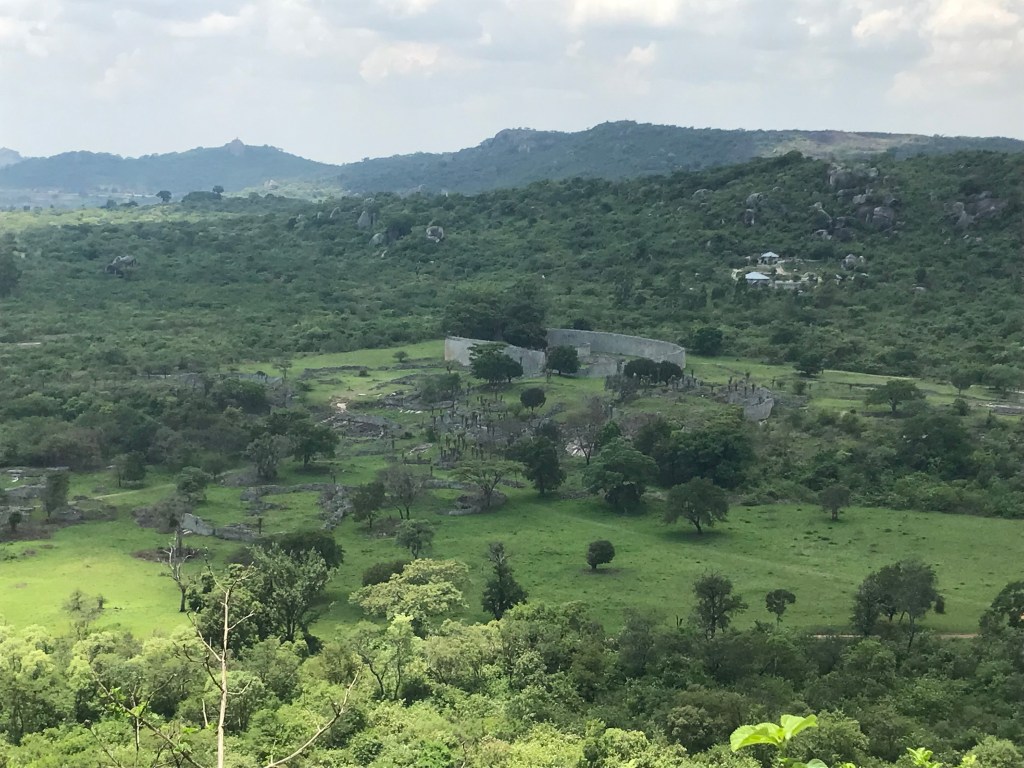
A homestead built near the Monuments (pic by Tatenda Chitagu/Zimtracker)
This funding from AFD will see the visitor experience at the Great Zimbabwe World Heritage Site elevated to international standards. The cooperation between the two countries will also strengthen the preservation of Zimbabwe’s cultural heritage.
“Enhancing the value of the Great Zimbabwe World Heritage site has the potential to contribute to employment, economic growth, and the achievement of the Sustainable Development Goals (SDGs) for Zimbabwe,” said AFD in a statement.
“The Great Zimbabwe Development Project aims to stimulate sustainable inclusive tourism development and cultural heritage of Zimbabwe. The specific objectives of the project are to enhance the value of the Great Zimbabwe site, strengthen the site’s cultural and educational programming, diversify the associated tourism offerings, and attract a wider audience, thereby providing multiple benefits in terms of achieving the Sustainable Development Goals (SDGs).
“This project will support the protection of Zimbabwe’s cultural heritage while also promoting sustainable and inclusive tourism,” said Nawal Aminath, the Acting Country Manager for UNOPS in Zimbabwe.
UNOPS will also help increase the National Museums and Monuments of Zimbabwe’s capacity to carry out conservation and documentation activities at the site. In addition, UNOPS will develop a rural land management plan to improve community-based management of natural resources and risks.
Project Development Objectives:
GZDP aims to enhance the value of the Great Zimbabwe site; to strengthen the site’s cultural and educational programming; diversification of associated tourism offerings and attract a wider audience, thereby providing multiple benefits towards regional and national economic and social development goals.

A tour guide shows some of the cracks on the walls of the Great Zimbabwe Monuments (pic by Tatenda Chitagu/Zimtracker)
Not reinventing the wheel:
Dispelling fear that renovating some of the falling walls will distort their authenticity, NMMZ chief curator, Tungamirai Chipunza said they are not building new Great Zimbabwe Monuments but will restore the walls to their original state.
“We are not going to rebuild or build new Great Zimbabwe Monuments. We will not erect any new walls. We do the restorations from a record. We do not restore what we do not have a record of. If we do not know how the walls originally looked like, we leave them. But most of the walls are documented. There is a lot of guiding information, ethics and charters from various bodies that direct our restoration efforts,” he said.
Sources:


 ZimTracker