By Tatenda Chitagu
MUTARE– In 2006, a diamond rush occurred in Chiadzwa, Marange in eastern Zimbabwe, following the discovery of the precious stones. Two years later, the government stepped in by deploying security forces to disperse informal miners, courting condemnation from human rights organisations, who also criticised the security sector involvement in diamond mining, trading and smuggling.
More than seven miners were then given mining concessions by the government. When their tenure expired, they were not renewed by government over accusations of pilferage. In November 2012 the Zimbabwe government unveiled a diamond policy whose main objective was ‘to promote the sustainable development of the diamond industry for the benefit of all Zimbabweans’.
In 2015, The Ministry of Mines then combined the concessions into one and gave them to Zimbabwe Consolidated Diamond Company (ZCDC) and three other players which are Anjin, Alrosa and Murowa.
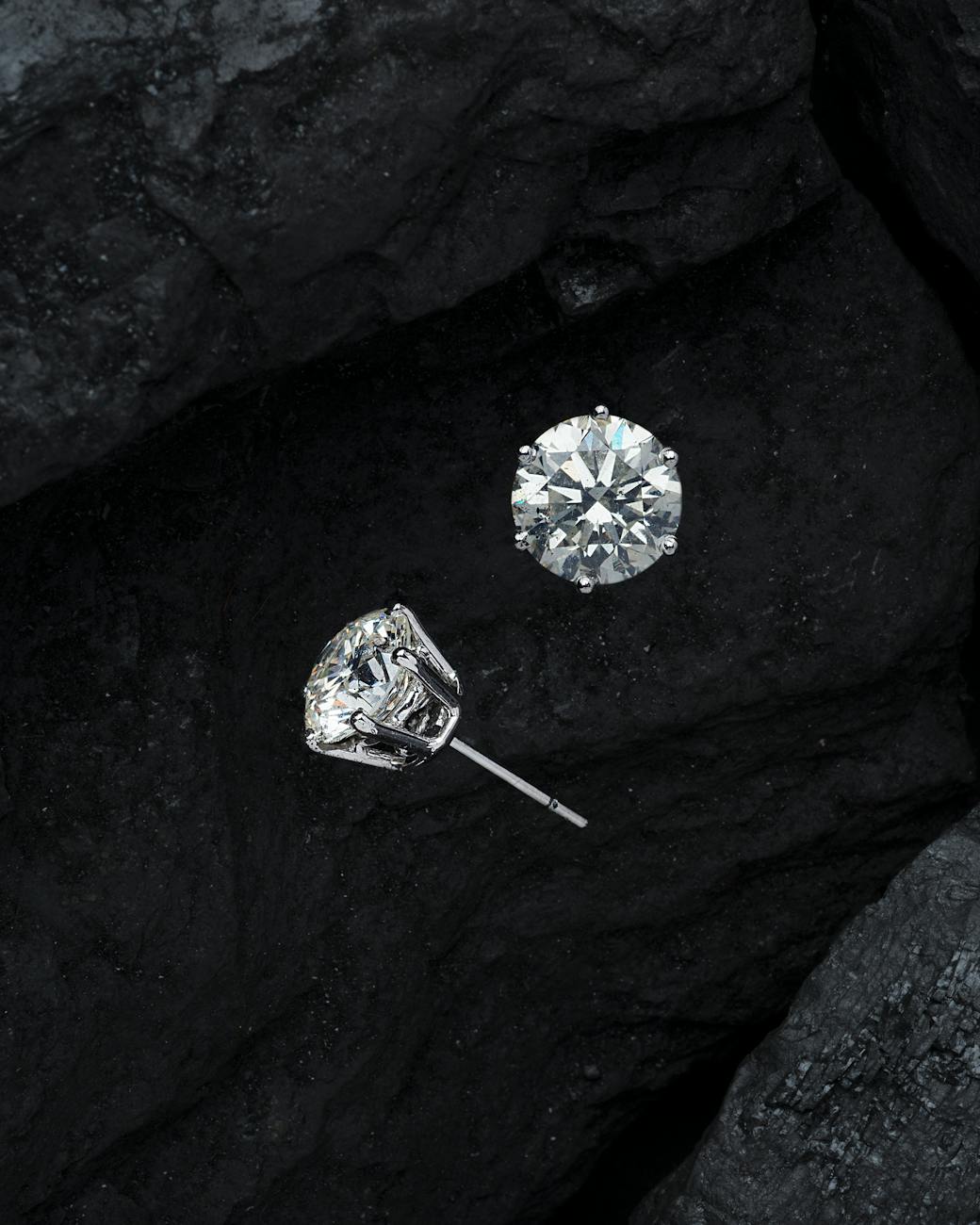
Included in the diamond policy was the introduction of value addition to the diamonds through cutting and polishing them, as well as manufacturing jewellery in the country, marking an entrance into the lucrative billion dollar value addition chain.
Several years down the line, it is important to unpack progress made in that sector.
ZimTracker established that the cutting and polishing of diamonds is going at a snail pace due to a combination of factors, chief among them being obsolete machinery.
This was revealed by the Minerals Marketing Corporation of Zimbabwe (MMCZ), a government body tasked with marketing all minerals in the country except gold and silver.
“Diamond cutting and polishing is going on at a slow pace,” said Ezekiel Mafara, MMCZ’s Sales Executive at a mining and media workshop hosted by ZCDC in partnership with the Zimbabwe Union of Journalists (ZUJ) in Mutare City recently.
“The slowness is due to viability issues and market volatility. The local economic environment is compounded by what is happening on the global market. Prices of diamonds have been nosediving by more than 60 percent since February 2022. If you bought rough diamonds before February then you are stuck with them or you join the market. This is a combination of geopolitics, what is happening in the Russia-Ukraine war. The LGDs (lab grown diamonds), these are synthetic diamonds which have flooded the market and they are as good as the real diamonds.
“There is also a critical element in cutting and polishing which is recovery. If you cut and polish a one carat diamond, you remain with a 0,5 or 0,4 carat stone, or even lower. That recovery is determined by expertise and the type of equipment you are using.
“In our case, when our cutting and polishing industry started, we had obsolete equipment. We have to upgrade and look for latest technology to avoid losses while cutting diamonds,” Mafara said.

Mafara speaking at the workshop
He added that, contrary to wide belief, the bulk of the country’s diamonds are of low grade and do not fetch much value on the international market.
“75 percent of our diamonds are industrial which do not have much value, as opposed to the more expensive gem quality. This mismatch makes it difficult to have profits after cutting and polishing,” he said.
According to ZCDC, Chiadzwa diamonds consist of alluvial pipes and not kimberlite pipes. The gem content is +/-20 percent
ZCDC finance and business analyst, Albert Norumedzo, said they have tried to capacitate the cutting and polishing industry but were mothballed by sanctions.
“There are other inherent challenges like sanctions which worked against us. The country is stuck with cut and polished diamonds with nowhere and no one to sell to.
“When you want to sell polished diamonds, the GIA (Gemological Institute of America) and other bodies have to certify that the diamonds are conflict-free,” he said.
“GIA is an American company and they are not willing to do business with Zimbabwe. The market perception was bad. Some of our cutting and polishing companies are well equipped, like Aurex owned by the Reserve Bank of Zimbabwe. Aurex has knowledge transfer with India and they have state-of-the-art equipment with laser technology,” he said.

Norumedzo presenting at the workshop
In 2011, government revoked cutting and polishing licences of 30 private companies after some were found to be selling rough diamonds without doing any value addition.
In 2014, most of the relicensed firms had closed shop due to restrictive licence conditions like a $100,000 fee that was renewed annually and an additional 15 percent sales tax which was levied on any company that buys diamonds from the producing companies. The companies also complained of failure to access the cuttable gems.
Africa produces 65 percent of rough diamonds with Botswana leading the pack, followed by Angola, South Africa, Namibia and Zimbabwe, according to latest production statistics by the Kimberley Process Certification Scheme (KPCS).
Botswana is the world’s leading producer of diamonds by value due to their gem quality while Zimbabwe has a 2,16 percent market share among the global rough diamond producers.
The United States has 51 percent of the market share while China has 16 percent. India has 10 percent market share, the Gulf nations share six percent; Japan five percent while the rest of the world share the remaining 12 percent.
Zimbabwe is ranked the seventh global producer of rough diamonds, generating a revenue of US$424 million in 2022, according to KPCS.
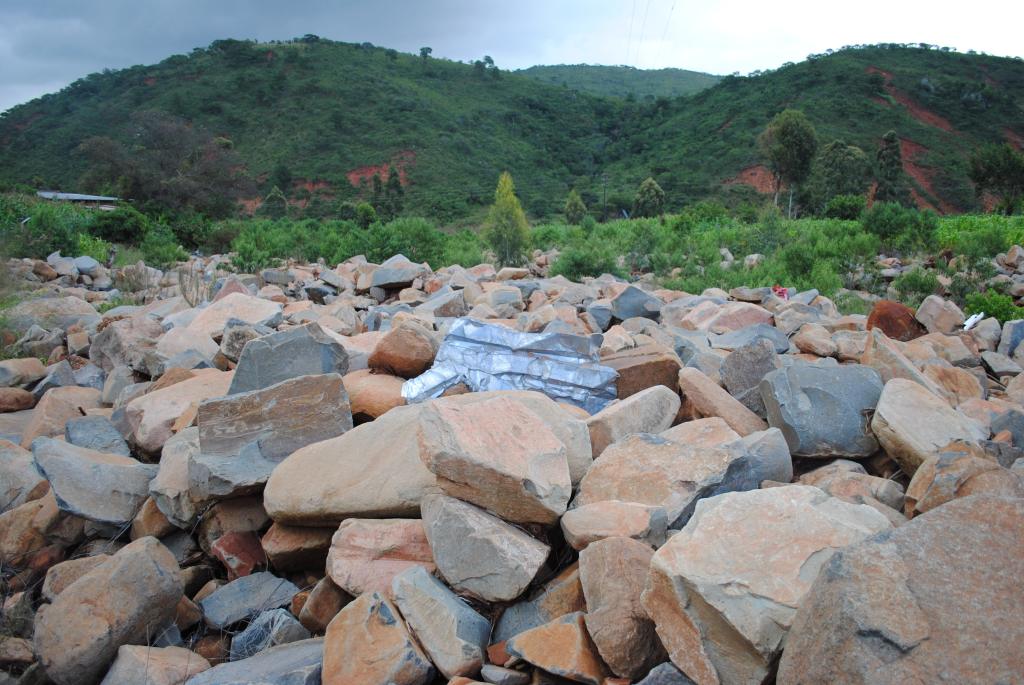
Banner Image: Diamond extraction at ZCDC’s Umkondo basin in Chiadzwa


 ZimTracker