By Hazvinei Mwanaka
MASVINGO-The nearest health center for villagers in Bikita district, a rural outpost in Zimbabwe’s southern Masvingo province, is more than fifteen kilometers away.
It is a clinic called Dewure 1, which serves close to 5 000 villagers from the surrounding 14 villages.
This has made the villagers’ health care seeking behavior the least of their priorities, especially for child-related ailments, according to Vimbai Gumbo, a mother of two from the area in Dewure Communal lands.
“Because of the long distance, we only go to the clinic when we see that a child’s condition is critical, otherwise we administer them traditional herbs or wait for natural healing,” she said.
However, the establishment of community care givers in the area has bridged the health gap, especially among children.
The community care givers were created by the Ministry of Health and Child Care in partnership with UNICEF to complement existing village health workers. The care groups, consisting of a ten to 15 women, relay information on malnutrition and climate change resilience programs in their localities. They are overseen by the village health workers.
This follows the current El Niño-induced drought affecting major parts of the country that has left many households facing food shortages, leading to malnutrition.
According to the government, the number of food insecure people in the country is estimated at nine million, up from the initial 7.7 million. This equates to 60 percent of the country’s population.
Zimbabwe revised its aid appeal to US$3.3 billion in May, up from the initial US$2.2 billion announced a month before to cater for the growing number of households facing food shortages till the next harvest.
Launching a joint food aid appeal with the United Nations, Local Government and Public Works Minister Daniel Garwe said both the urban and rural populations are facing food shortages.
In a latest humanitarian situation report, Unicef said malnutrition cases are on the rise due to the drought. The report said household food insecurity increased from 29 to 35% with child wasting increasing from 3 to 5,6% in 2023 to 2024.
“As of May 31, 2024, a total of 983 560 children aged 6 to 59 months were screened for wasting and 4 721 found to be malnourished were treated.”
A leader of one care group called Tangatakarara, Saviour Bare who hails from village 4B in Dewure communal lands said they are now able to monitor the health of their children on their own.
“We are ten women in our group supervised by our village health worker Martin Madechau who teaches us on health issues in our area. What I like about our group is that we are now able to continuously monitor the health of our children on our own. We can easily and quickly notice if the child is having stunted growth.
“We were given Mid-Upper Arm Circumference (MUAC) tapes, a measurement that allows health workers to quickly determine if a patient is acutely malnourished, which we use to monitor the growth of our children. We learnt that we should monitor our children frequently and one thing I am assured in our village is that no one stays at home with a child who will not be feeling well, as we encourage them to go to the clinic,” she said.
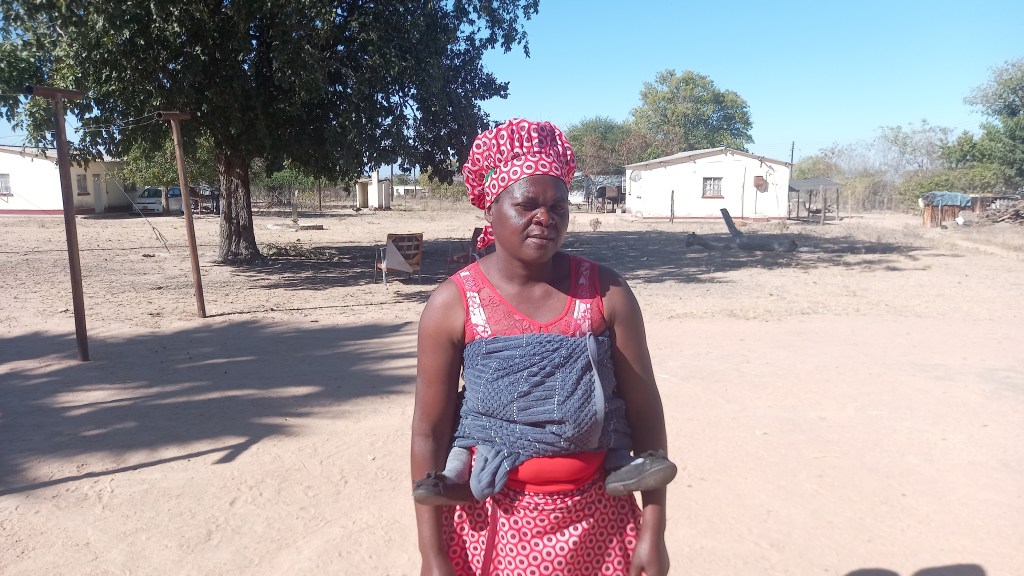
Tangatakarara care group leader Saviour Bare
To empower the women financially, the program taught the women about savings clubs where they pool together their money to create a revolving fund which individuals can borrow to start businesses.
They also underwent cooking lessons.
“We have cooking demos that we do and we are taught to cook nutritious food especially for our children so that they will not have malnutrition. Some organisations are helping us with food, but we urge government to provide more so that we are able to sustain our families because we got poor harvests,” added Bare.
Village health worker, Tariro Zakeo from ward 24 village 4A who oversees 142 households said they meet once a month and screen children who are under five years to monitor their growth and if they notice signs of malnutrition they quickly refer to the clinic.
“I serve around 75 children who are under five in my area. Some three months back we identified a child who was malnourished but that child has since recovered. In terms of food we are improvising with the available local resources.
“The only challenge that we have is that a child might need proteins while food rich in proteins might not be available. Many families are having food shortages so we appeal for more food assistance,” he said.
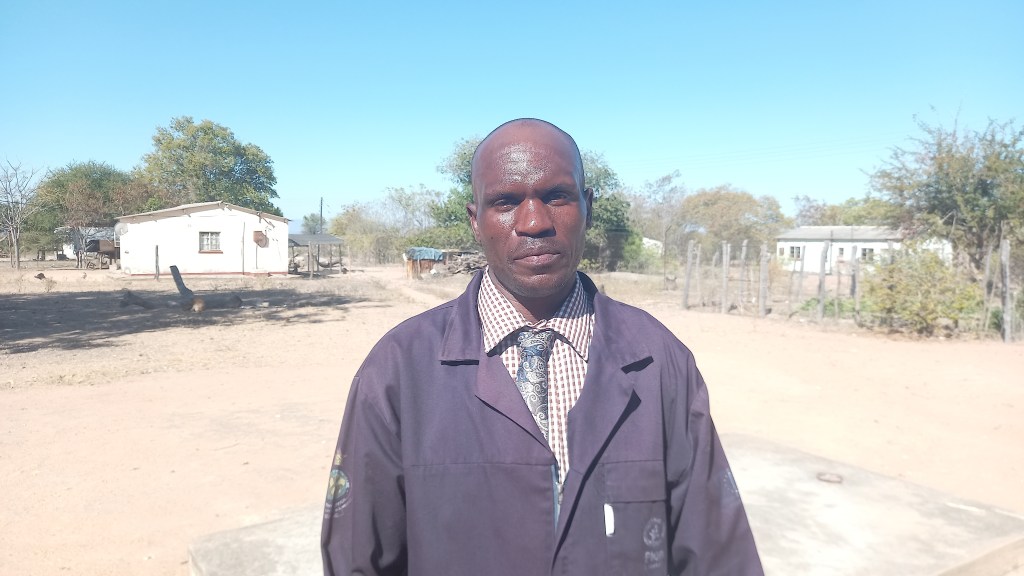
Village health worker Tariro Zakeo
Sister-in-charge at Dewure 1 clinic, Hakurambwi Rambanapasi said with the drought being experienced in the area they anticipate more children to be affected hence the need to monitor every child at community level.
“We have two children, 23 months and 18 months who were affected by malnutrition. So far we have enough PlumpyNut to cater for affected children and in the case that we have shortages we will notify our district nutritionist,” she said.
Cathrine Rungisa, the Environmental health practitioner in the area said the program is running under the theme; Promoting growth, monitoring, immunization and micro nutrition supplementary for children under five.
UNICEF chief communication officer Yves Willemot said there is need to cushion children in times of climate change disasters.
“As UNICEF worldwide we have been advocating for more attention for children in relation to climate change challenges because we have noticed that as the climate change disasters have become more frequent with increased severity, they are impacting more and more children.
“Climate change impacts on the rights of children because of the increased scarcity of food and water. In Bikita, the local community is facing an increased challenge in guaranteeing access to diverse and nutritious food for their children,” Willemot said.
He however added that not all hope is lost yet.
“Even though the situation might be dire, even though drought might have created a lot of challenges, the community is building its resilience and is looking for responses through care groups so that they continue to get nutritious and diverse food to protect their children from malnutrition,” added Willemot.



 ZimTracker